Studying Geography will enable students to develop their knowledge and understanding of geographical concepts, their responsibilities as global citizens and an awareness of other people’s views of the world, and its environments, societies and cultures.
By completing GCSE Geography, students will be well prepared to continue their study of Geography at Advanced level.
Studying geography can prepare students for a range of careers in urban planning, cartography, GIS applications, climatology, hydrography, environmental management, weather forecasting, research, journalism, landscape architecture, surveying, aerial photography and teaching.
Specification Summary
Unit 1 : Understanding Our Natural World: 40%
- River Environments – river features and their formation
- Coastal Environments – landforms, defences and coastal management strategies
- Our Changing Weather and Climate – causes and impacts of weather in the British Isles
- The Restless Earth – the Earth’s structure, earthquakes and super volcanoes
Unit 2 : Living In Our World: 40%
- Population and Migration – factors in migration, barriers to migration and challenges faced by both refugees and destination countries
- Changing Urban Areas – challenges facing cities in LEDCs and inner cities in MEDCs
- Contrasts in World Development – the development gap and strategies that aim to reduce it
- Managing Our Environment – environmental impact of the increasing use of resources
Unit 3 : Fieldwork: 20%
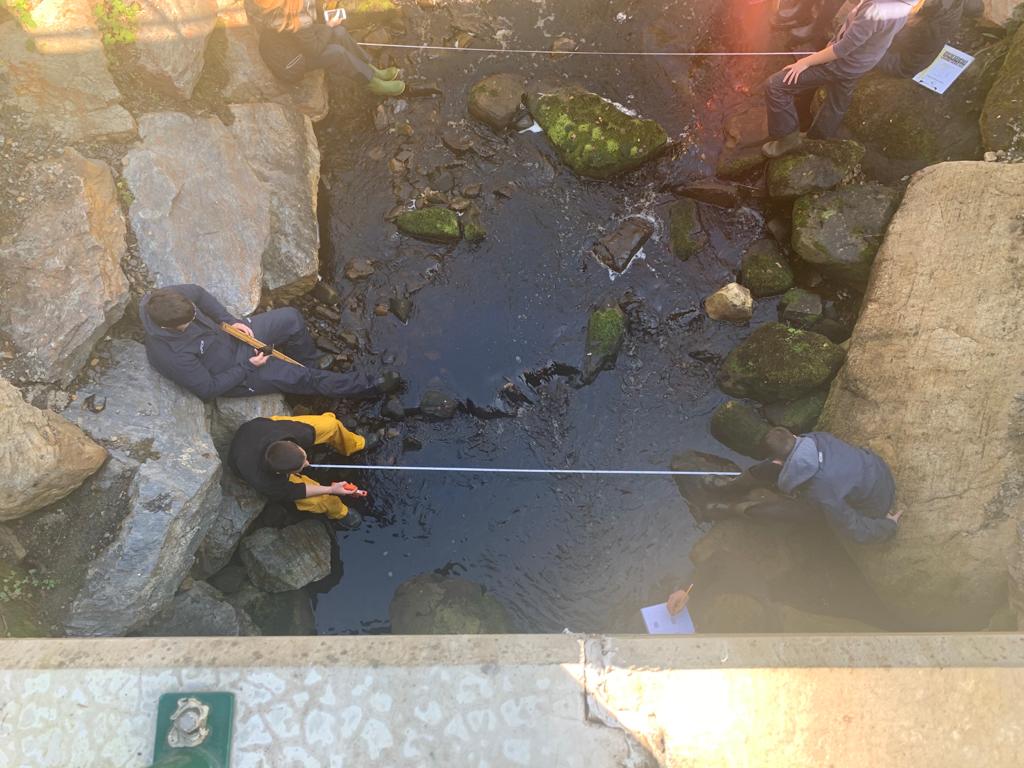
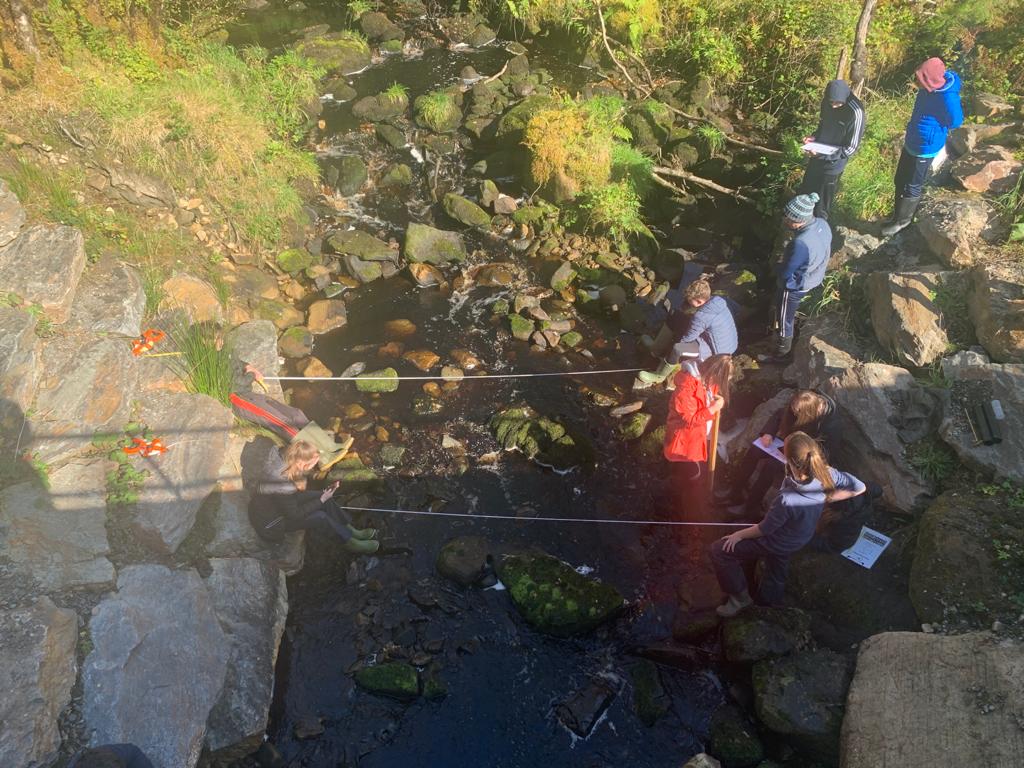
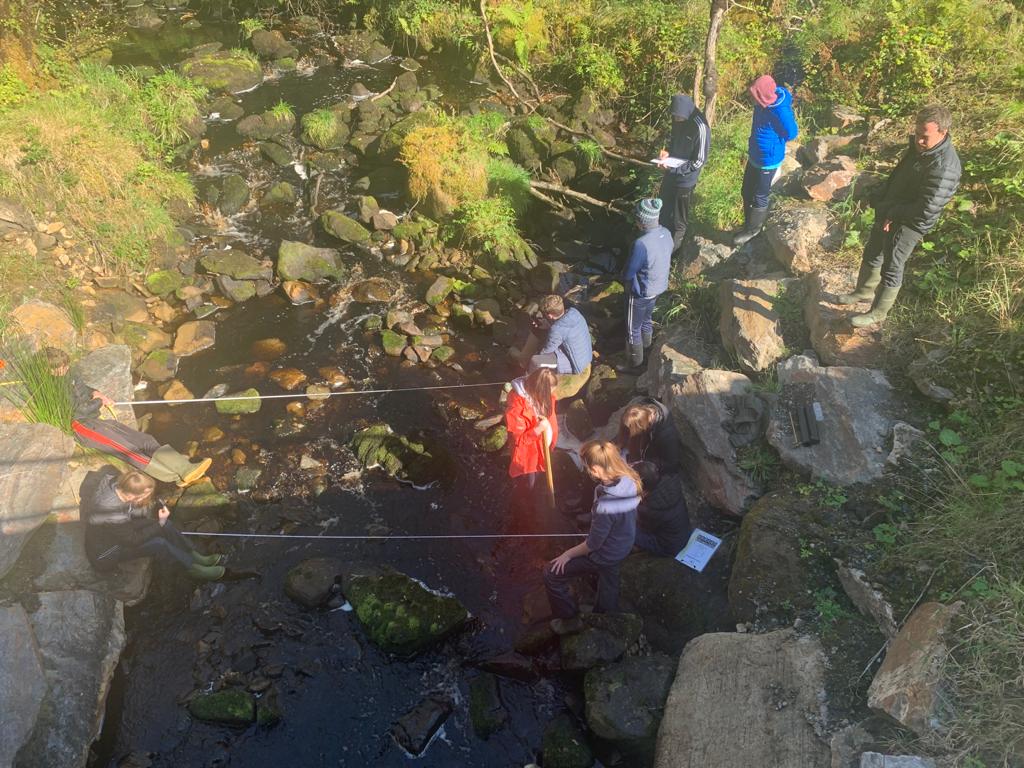
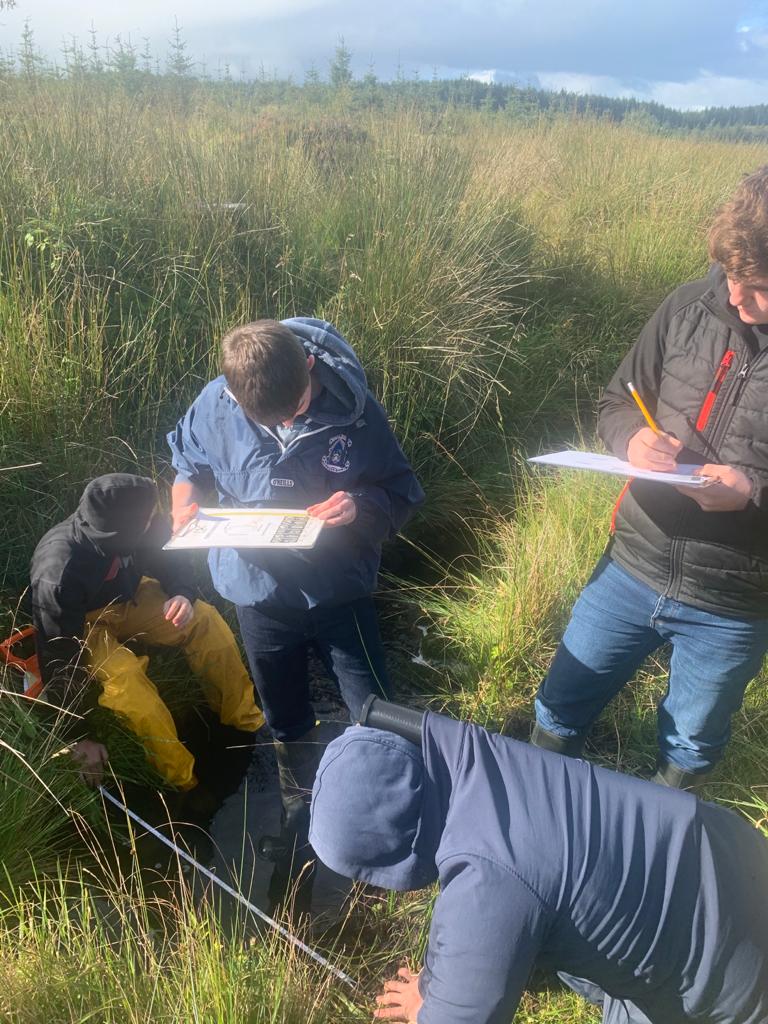
Students complete a fieldwork investigation, choosing an issue or question related to unit 1 or Unit 2. This unit is assessed in a 1 hour written examination worth 20% of the overall GCSE qualification.
Benefits to students:
Geography provides a number of key benefits to students, including :
- Developing their knowledge and understanding of geographical concepts;
- Appreciating the differences and similarities between people’s views of the world, and its environments, societies and cultures;
- Developing their responsibilities as global citizens; and
- Applying their learning to the real world through fieldwork.
Cross-Curricular Skills, Thinking Skills And personal Capabilities That Will be Developed
Students can develop skills, for example :
- Communication (oral and written) – participate in discussions, debates and interviews, and interpret, analyse and present information;
- Using mathematics – use mathematical language, notation, mental computation, mathematical concepts and problem-solving strategies, interpret and analyse mathematical data and present data in a variety of formats;
- Using ICT – use technology to access, manage, select and present information;
- Self-Management – plan work, monitor and review and evaluate progress, improve learning and manage time effectively;
- Working with others – learn through co-operation with others, participate in teamwork, and listen to others and influence group thinking and decision making; and
- Problem solving – identify and analyse relationships and patterns, propose justified explanations, form opinions and justify views, analyse and assess and multiple perspectives, explore unfamiliar views, evaluate options and justify decisions, and apply and evaluate approaches to solve problems.
“Geography combines well with science subjects such as Biology, Chemistry and Physics, and with mathematics, Business studies, Environmental technology and Economics. Students can develop their skills in Communication, Using Mathematics and Using ICT.”